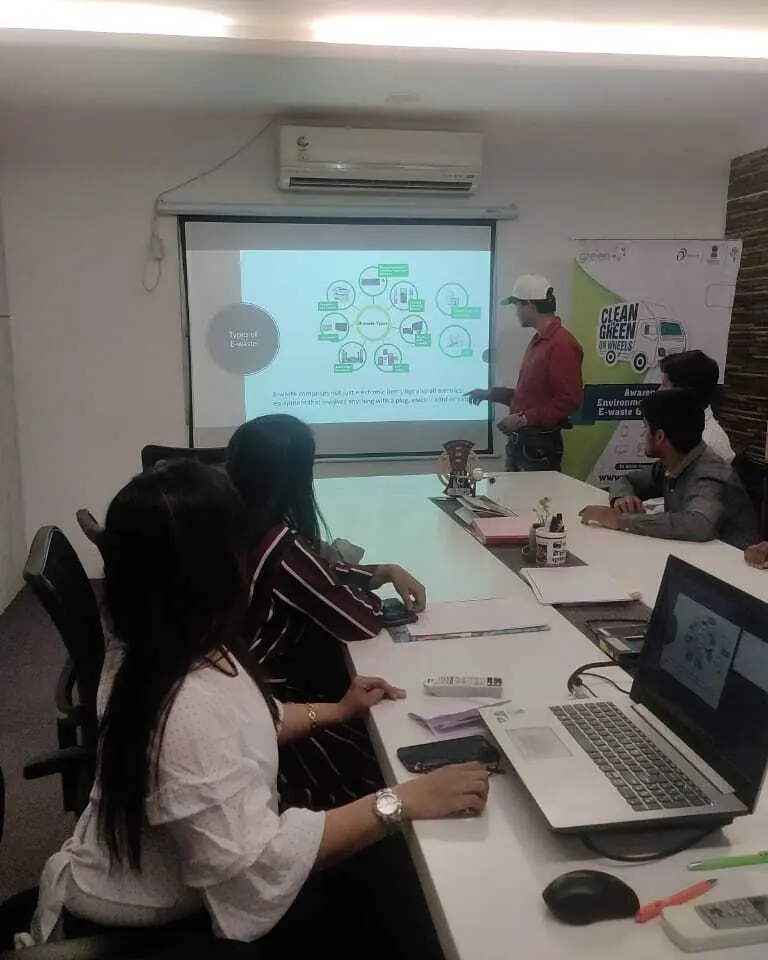
Workshops
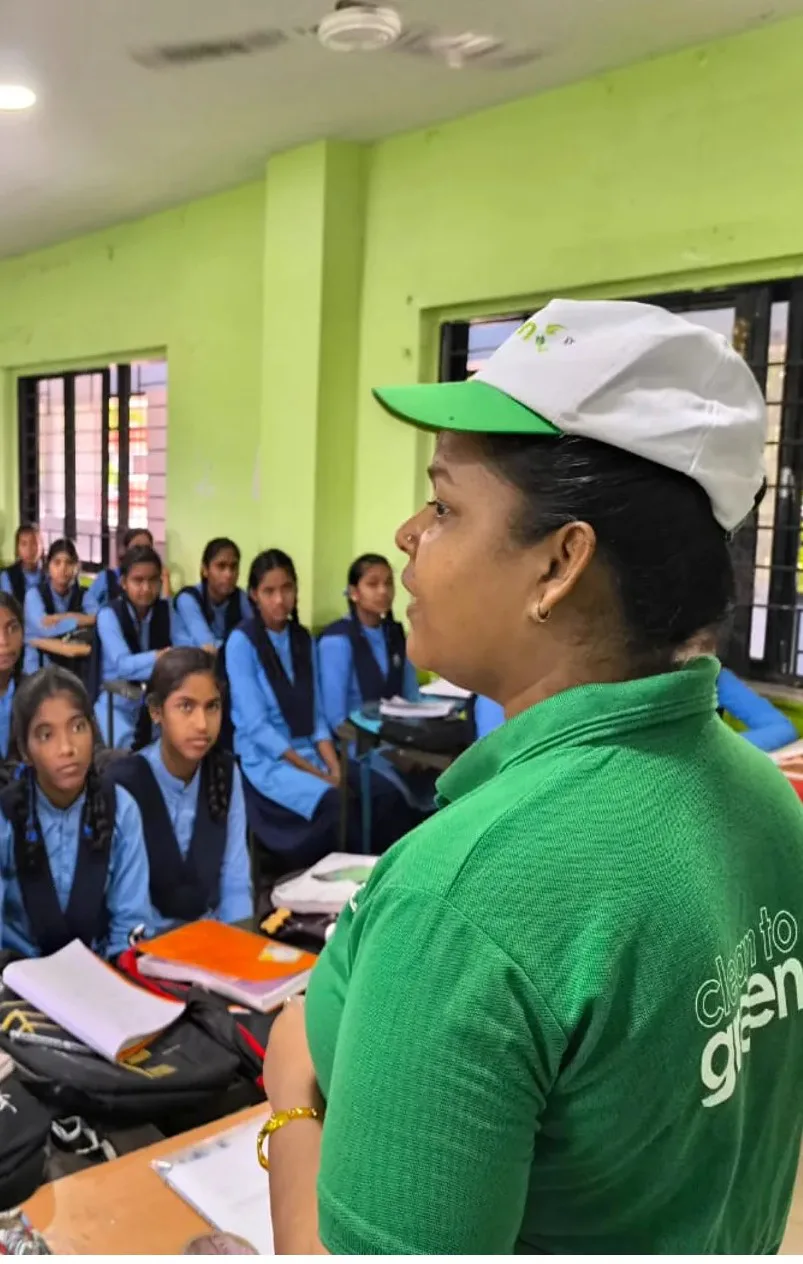
Hands-on sessions for teams, institutions and community groups.
Knowledge sharing
Overview
We develop and disseminate practical knowledge that makes environmental subjects easier to understand and apply. Our knowledge-sharing initiatives cover waste management, responsible disposal, circular economy, resource recovery, EPR requirements, environmental sustainability, stakeholder engagement and programme implementation.
The purpose is not only to create awareness, but also to help people and institutions understand their responsibilities and participate more effectively in environmental action.
Formats
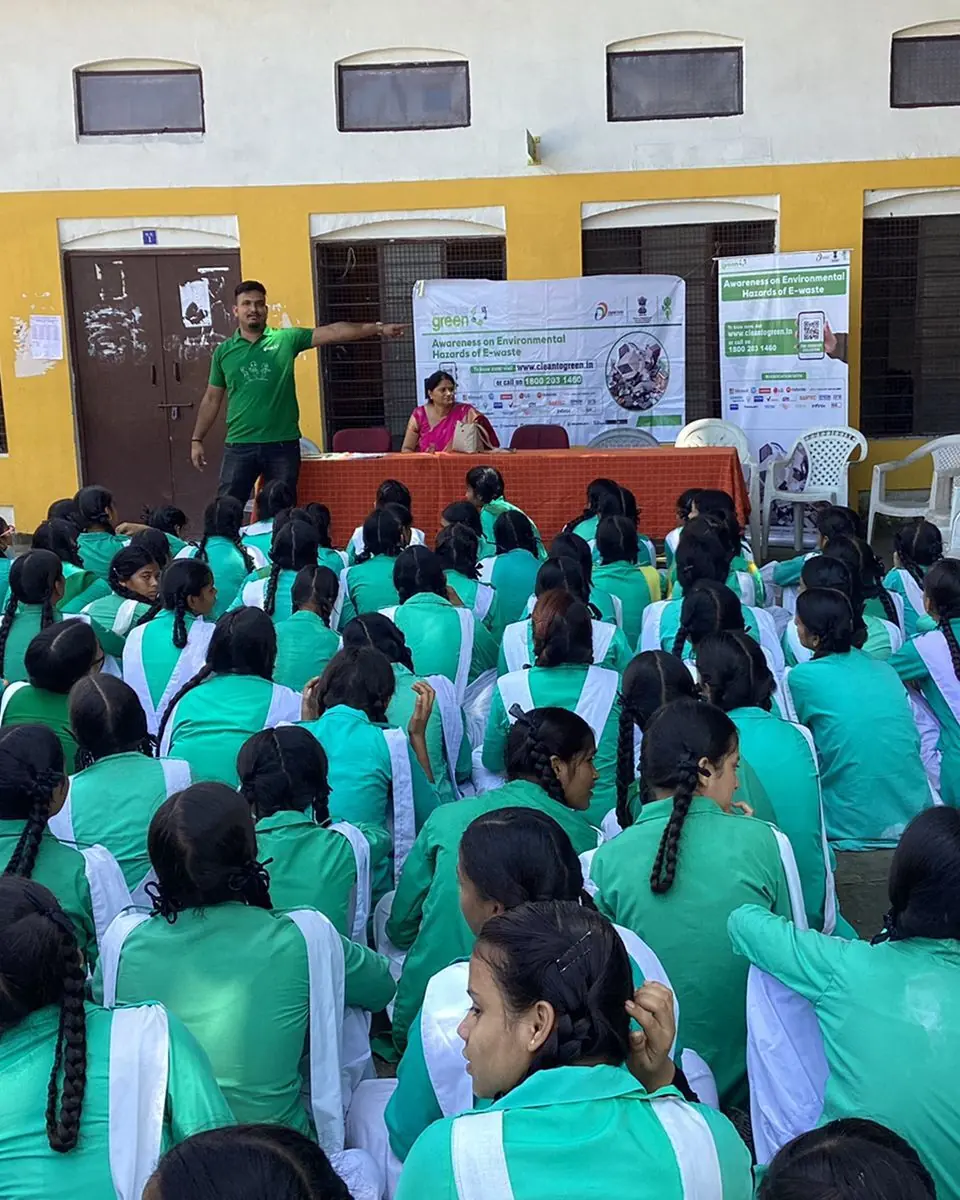
Knowledge is shared through articles, research publications, reports, case studies, webinars, workshops, leadership sessions, expert-led discussions, panel discussions, awareness videos, stakeholder-specific presentations, resource guides, implementation toolkits, training and learning modules, IEC materials, field notes and recorded sessions. Our programme materials also identify seminars, conferences, fairs and digital-awareness initiatives as formats for disseminating knowledge, sharing best practices and encouraging wider participation.
Offerings
Hands-on sessions for teams, institutions and community groups.
Open online sessions for practitioners and partners, recorded for later.
Briefings for senior teams on sustainability, ESG and CSR strategy.
Structured curricula for schools, colleges and capacity-building programmes.
Practical guides for households, RWAs, offices and institutions.
Ready-to-use material for running drives and awareness activity.
Sector studies, benchmarking and findings from our own programmes.
We build sessions and material around your audience, sector and language.
Who it is for
Resources are developed for different audiences, including corporates, government agencies, educational institutions, students, teachers, households, residential communities, workplaces, retailers and dealers, bulk consumers, informal-sector stakeholders, institutional teams, environmental practitioners and the general public. The subject, language, examples and level of detail can be adapted to the audience and the action the resource is intended to support.
Our approach
C2G places emphasis on practical learning through clear language, real-world examples, interactive sessions and actionable guidance rather than abstract environmental terminology.
Where relevant, resources may explain segregation and responsible disposal practices, clarify stakeholder roles, introduce circular-economy and EPR concepts, and direct users towards authorised collection channels, programme tools or other routes for participation.
Work with us
Looking for sustainable CSR implementation, employee volunteering programmes, monitoring systems, awareness initiatives or impact assessments? Connect with our team today.